
The Benefits of Letting Your Dog Sniff

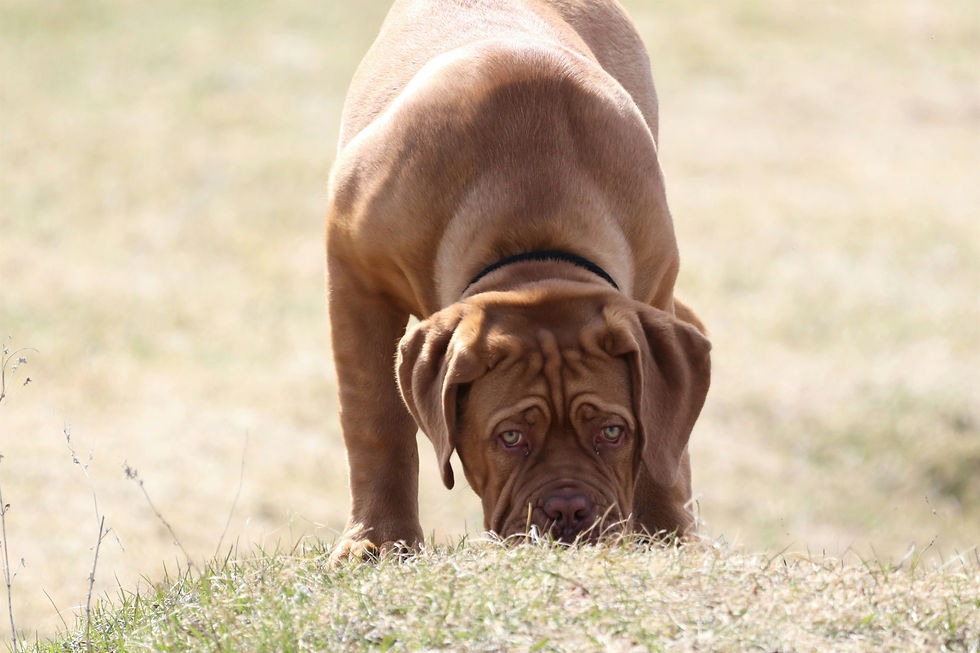
Dogs experience the world through their noses first. While we humans rely heavily on
sight, dogs gather information, process emotions, and explore their environment
primarily through scent. Yet so many dogs spend their walks being hurried from point A
to point B without ever getting the chance to truly sniff and investigate.
At Fairview Boarding, we believe sniffing isn’t a distraction from the walk — it is the
walk.
Why Sniffing Matters to Dogs
A dog’s nose is nothing short of incredible. Dogs have up to 300 million scent receptors
compared to our roughly 6 million. Their sense of smell is so advanced they can detect
emotions, identify individual animals and people, and even pick up changes in the
environment long before we notice them.
When your dog stops to sniff a bush, patch of grass, or fire hydrant, they’re not “wasting
time.” They’re gathering information:
• Who has been here?
• Was another dog stressed, excited, or fearful?
• What animals passed through?
• Is something new or different nearby?
To your dog, sniffing is reading the neighborhood news.
Sniffing Is Mental Enrichment
Physical exercise is important, but mental stimulation is just as essential for a dog’s
well-being. A dog who only receives physical exercise without opportunities to use their
brain can still feel bored and under-stimulated.
Sniffing naturally engages a dog’s brain and problem-solving abilities. It encourages
curiosity, exploration, and confidence. In many cases, a slower “sniff walk” can be more
mentally fulfilling than a fast-paced power walk.
In fact, many dogs come home from a sniff-focused outing more relaxed and satisfied
than they do after intense physical activity alone.
That’s because sniffing helps dogs:
• Decompress and relax
• Reduce stress and frustration
• Build confidence in new environments
• Engage natural instincts in a healthy way
• Prevent boredom-related behaviors at home
A tired dog isn’t always the goal. A fulfilled dog is.
Sniffing Helps Nervous and Reactive Dogs
For dogs who are anxious, reactive, or easily overstimulated, sniffing can be incredibly
therapeutic.Sniffing naturally lowers heart rate and encourages calmer behavior. Allowing dogs to
investigate their environment at their own pace gives them a sense of control and
confidence. It can help redirect focus away from triggers and encourage emotional
regulation.
This is one reason enrichment-based care focuses so heavily on sensory activities
instead of nonstop high-energy stimulation.
“But My Dog Stops Every Two Seconds…”
Good.
That means they’re engaged.
Of course, there’s a balance. We still want dogs to have structure and learn leash skills,
but walks do not need to feel like military drills. Giving your dog opportunities to pause,
explore, and sniff creates a far more meaningful experience than constantly correcting
them for being curious.
Think of it this way: if someone dragged you through an art museum without letting you
stop and look at anything, you’d probably be frustrated too.
Easy Ways to Encourage More Sniffing
You don’t need fancy equipment or complicated training exercises to incorporate more
sniffing into your dog’s life.
Try:
• Slowing down on walks and allowing “sniff breaks”
• Exploring new walking routes occasionally
• Tossing treats into the grass for scent searches
• Using snuffle mats or puzzle feeders
• Letting your dog investigate safe outdoor spaces at their own pace
• Incorporating scent-based enrichment activities into their routine
Even a few extra minutes of sniffing can make a big difference in your dog’s day.
Let Dogs Be Dogs
Dogs weren’t designed to move through the world in a perfectly controlled straight line
without interacting with their environment. They were designed to explore it.
Sometimes the best thing we can do for our dogs is simply slow down, loosen the leash
a little, and let them sniff.
Because to a dog, the world is meant to be smelled.


Comments