
Your Dog Has Hobbies Too


Ask a room full of people what they enjoy doing in their free time and you'll get very different answers. One person loves hiking. Another would rather curl up with a good book. Someone lights up at a crowded party, while someone else would happily spend the afternoon gardening alone.
We accept without question that people have different personalities, interests and ideas of a good time. So why do we so often assume every dog wants the same thing?
For many dogs, the standard recipe for a happy life looks something like this: a walk, a game of fetch, a few toys, maybe some time with other dogs. There's nothing wrong with any of that—if your dog actually enjoys it.
But dogs have preferences, too. And one of the simplest ways to improve a dog's quality of life is to stop asking "how do I keep my dog busy?" and start asking "what does my dog love to do?"
Every Dog Is an Individual
Spend some real time watching your dog, and their hobbies start to reveal themselves.
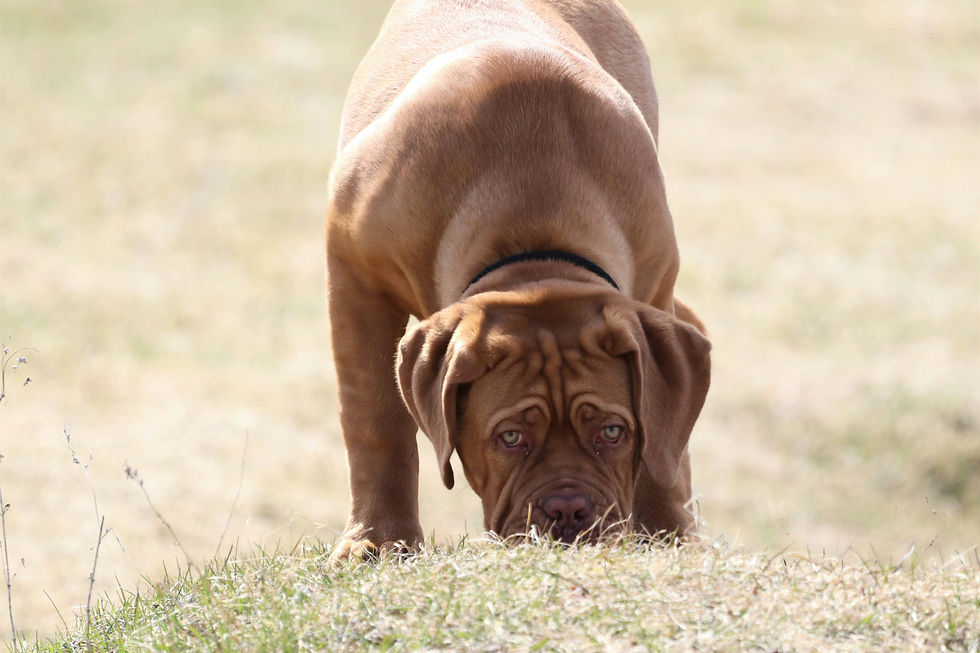
Some dogs are explorers, investigating every bush and promising scent, more interested in what's around the next corner than in covering ground. Others are problem solvers who light up when a treat is hidden around the house or tucked into a puzzle toy. Then there are the athletes—dogs who love to run, climb, retrieve and chase, for whom movement is the whole point. Some are social butterflies, happiest interacting with people or the right kind of canine company. And some are homebodies, who'd choose a leisurely sniff around the yard, a good chew and some one-on-one attention over a packed day of activity.
None of these dogs is doing dog-hood better than the others. They just enjoy different things.
Let Your Dog Tell You
Figuring out what your dog loves doesn't require a complicated test. Offer choices, then pay attention to what happens.
Put out a few different toys—which one gets picked first? On a relaxed walk, let your dog choose the direction now and then, and notice whether they want to move fast or spend five minutes on one irresistible patch of grass. Scatter a handful of kibble in the yard instead of serving it in a bowl, and see if they hunt for every last piece. Offer a cardboard box with treats hidden inside, and watch whether they dive in or just look at you like you've lost your mind.
The answer doesn't have to be "yes, they loved it." That's actually the important part. Enrichment isn't about building an endless schedule of activities—it's about giving a dog chances to do what's natural, enjoyable and fulfilling for them, specifically.
A Tired Dog Isn't Always the Goal
We've all heard "a tired dog is a good dog." Exercise matters, but exhaustion and fulfillment aren't the same thing. Imagine someone discovering you enjoy running, and deciding the secret to your happiness must be running farther and faster every single day. Eventually, you'd probably want a different hobby.
Dogs need variety, too. Sniffing, searching, chewing, licking, exploring, learning and problem-solving offer forms of enrichment that another lap around the block simply can't. A twenty-minute walk where your dog is allowed to stop, sniff and poke around can leave them more satisfied than a much longer walk focused only on covering distance.
Find Your Dog's Hobby
This week, try a small experiment. Instead of deciding in advance what your dog will enjoy, offer a few safe choices and watch what they actually pick.
You might discover your retriever couldn't care less about retrieving but is a phenomenal scent detective. Maybe your couch-loving senior still gets wildly excited about a good treat search. Or your high-energy young dog surprises you by settling happily after a slow, sniff-filled afternoon.
The goal isn’t to fill every minute of your dog's day. It's to learn what makes their tail wag, their nose work and their brain switch on. Because the more we understand what our dogs genuinely enjoy, the better we can give them a life that isn't simply busy, but fulfilling.
And really—shouldn't every dog have a hobby?


Comments